Step 3 CCS Cheat Sheet: All 5 Mnemonics on One Page
A one-page Step 3 CCS cheat sheet structure for HAVOCC, I-BOUP, blood labs, P-MiST, PMC CREA4S, scoring rules, and a prep plan.
This is the HTML home for the Step 3 CCS cheat sheet. For the fuller explanation, read USMLE Step 3 CCS Cases: Quick Framework with 5 Mnemonics.
Download the PDF here
Fast facts
- CCS cases are on Day 2 of Step 3.
- There are 13 cases, usually 10 to 20 minutes each.
- CCS is commonly estimated at about 25% to 30% of the total Step 3 score.
- The goal is not to show off. The goal is to be safe, organized, and timely.
- Practice the software before test day. The interface itself is part of the game.
The six scoring pillars
Use these as the mental checklist for every case:
- Physical exam and monitoring
- Diagnostic orders
- Treatment and monitoring
- Location and timing
- Procedures, when indicated
- Preventive care
HAVOCC
In acute presentations, stabilize first:
- H: Hurting. Treat pain.
- A: Access. IV access, fluids when appropriate, and accu-check.
- V: Vitals. Repeat vitals frequently if unstable.
- O: Oxygen. Oxygen and pulse oximetry; consider naloxone when indicated.
- C: Cardiac monitor. Add telemetry and EKG.
- C: C-spine. Immobilize in trauma when appropriate.
I-BOUP plus micro and toxins
Use I-BOUP as the first diagnostic sweep:
- I: Imaging. CXR, CT, ultrasound, echo, or other targeted imaging.
- B: Blood. Use the blood lab mnemonic below.
- O: Other. Stool tests, rheum panels, and case-specific studies.
- U: Urine. UA, urine culture, ketones, protein, and other urine studies.
- P: Pregnancy test. In women of childbearing age.
Then remember two extra buckets:
- Micro. Blood, urine, sputum, and CSF cultures when indicated.
- Toxins. Utox, ethanol, acetaminophen, salicylates, and relevant toxicology panels.
Blood panel mnemonic
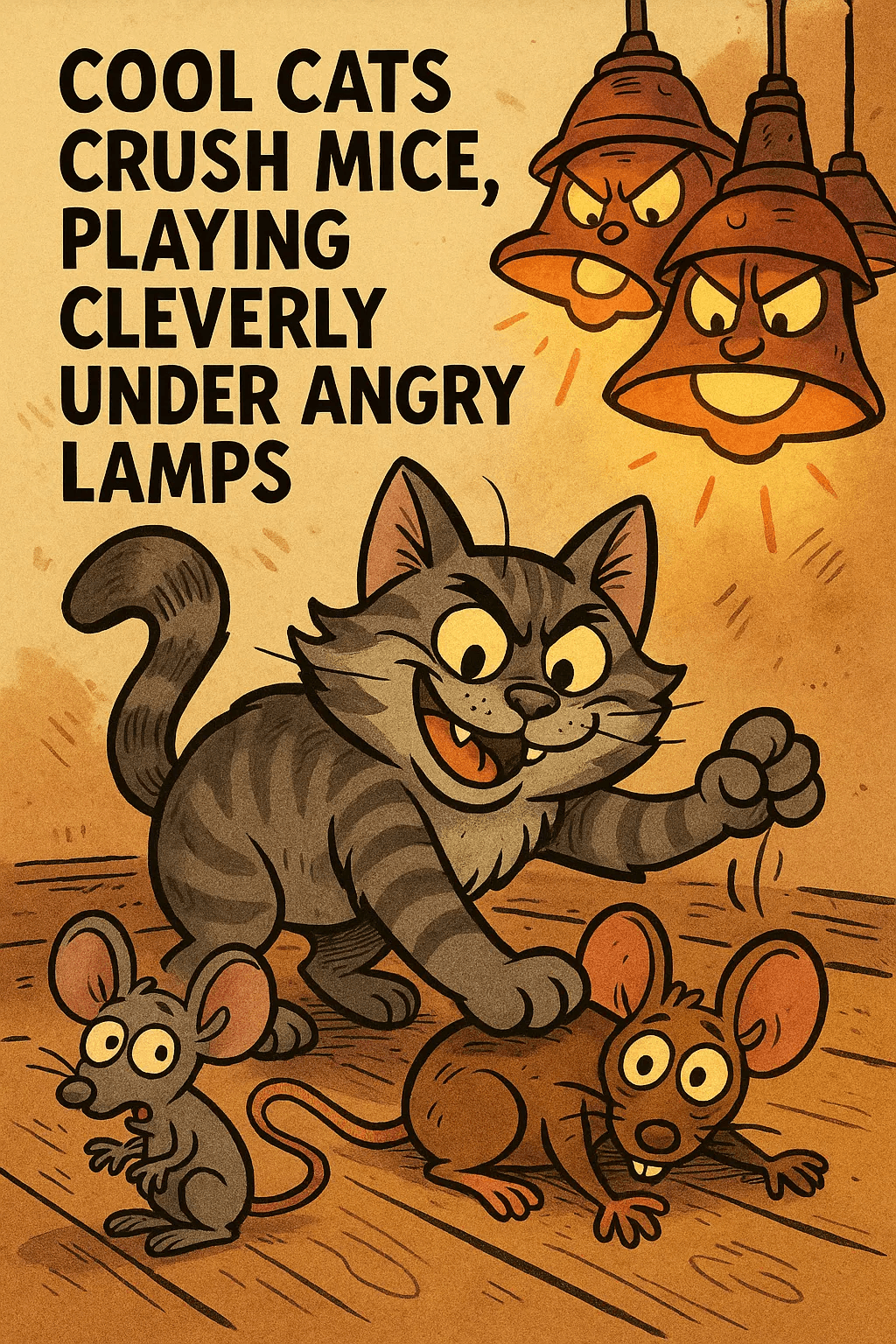
Cool Cats Crush Mice, Playing Cleverly Under Angry Lamps.
- Cool: CBC
- Cats: CK
- Crush: Cardiac enzymes
- Mice: CMP
- Playing: Pancreatic enzymes
- Cleverly: Coags
- Under: Urinalysis
- Angry: ABG
- Lamps: Lactate
P-MiST
Vaccines:
- P: Pneumococcal
- M: Meningococcal
- I: Influenza
- S: Shingles
- T: Tdap
PMC CREA4S
Screening and counseling:
- P: Pap smear
- M: Mammogram
- C: Colonoscopy
- C: Counseling on diagnosis, medications, and lifestyle
- R: Reassurance
- E: Exercise and diet
- A: Alcohol cessation
- S: Safe sex
- S: Seatbelt
- S: Smoking cessation
- S: Social work
Scoring rules
- Sequence matters. Stabilize first when the patient is unstable.
- Timing matters. Delayed orders may get little or no credit.
- Harmful orders can hurt you.
- Over-ordering is not the goal; safe, logical management is.
- Preventive care counts, but it belongs after the acute problem is handled.
Minimal prep plan
- Do enough cases to understand the rhythm of the software.
- Practice entering orders quickly.
- Use the mnemonics until the common orders become automatic.
- Review missed cases for sequencing errors, not just knowledge gaps.
- Keep the printable PDF nearby while practicing, then try to run cases without looking.

Mendel Jacobs, MD, MPH
Menachem "Mendel" Jacobs, MD, MPH is an Internal Medicine Resident at Yale School of Medicine pursuing academic cardiology. He publishes under Menachem Jacobs.
Connect on LinkedInRelated Articles
Best Sketchy Pathology Anki Deck: Conaanaa's SALT Deck
How to use Conaanaa's SketchyPath SALT deck with Sketchy Pathology, Anki, UWorld, and pathology review without drowning in cards.
Sketchy Medical With Anki: The Best Pepper Deck Workflow for Sketchy Micro and Pharm
A practical guide to using Sketchy Medical with Anki, including what Sketchy means, how to use Sketchy Micro and Sketchy Pharm, and when to use the Pepper decks.
The SLARP Framework: A Practical Approach to Undifferentiated Acute Hypoxemia
A bedside framework for approaching acute hypoxemic respiratory failure when the diagnosis is not yet clear.