USMLE Step 3 CCS Cases: Quick Framework with 5 Mnemonics
A practical CCS cases framework with stabilization, diagnostic, lab, and preventive care mnemonics for Step 3.
Mastering CCS does not have to be a headache. With a tight, systematic approach and a few strong mnemonics, you can make CCS one of the less stressful parts of your Step 3 exam.
Let's break it down.
Want the quick version? I turned the core mnemonics into a scannable Step 3 CCS cheat sheet for use before practice cases.
Table of contents
- What CCS cases are and how much they matter
- The six pillars of scoring
- Stabilization orders: HAVOCC
- Diagnostic orders: I-BOUP plus micro and toxins
- Blood lab mega-mnemonic
- Preventive care: P-MiST and PMC CREA4S
- Final tips
- FAQs
1. What CCS cases are and how much they matter
CCS, or computer-based case simulations, are interactive clinical scenarios on Day 2 of Step 3. They test clinical management from diagnosis through treatment and monitoring.
There are 13 CCS cases, each allotted 10 to 20 minutes.
While the USMLE does not publish an exact breakdown, CCS is widely estimated to make up about 25% to 30% of your total Step 3 score, or around 2% to 2.5% per case.
That means CCS is not small potatoes. It is a meaningful chunk of the exam, and a sound framework helps.
A quick CCS walkthrough video can also help you see the interface before you start practicing.
2. The six pillars of scoring
These are the domains CCS cases evaluate:
- Physical exam and monitoring
- Diagnostic orders
- Treatment and monitoring
- Location and timing
- Procedures, when indicated
- Preventive care
These map directly onto what the examiners are looking for in each case.
3. Stabilization orders: HAVOCC
In acute presentations, stabilize first:
- H: Hurting. Provide pain control.
- A: Access. Obtain IV access, fluids, and accu-check.
- V: Vitals. Repeat frequently if unstable.
- O: Oxygen. Add pulse oximetry, and consider naloxone if indicated.
- C: Cardiac monitor. Add an EKG.
- C: C-spine immobilization. Especially in trauma.
Adding the extra C helps you remember spinal precautions in trauma. They are medically essential and score-relevant.
4. Diagnostic orders: I-BOUP plus micro and toxins
Use I-BOUP as your first pass:
- I: Imaging. CXR, CT, echo, and other imaging as indicated.
- B: Blood. Use the blood lab mnemonic below.
- O: Other. Stool tests, rheumatologic panels, and other targeted tests.
- U: Urine. UA, culture, ketones, protein, and related urine studies.
- P: Pregnancy test. In all women of childbearing age.
Then add two separate buckets:
- Micro. Cultures, including blood, urine, sputum, and LP if needed.
- Toxins. Toxicology screens, including urine tox, ethanol, acetaminophen, salicylates, plus any relevant panels.
Separating micro and toxins makes it easier to remember both.
5. Blood lab mega-mnemonic
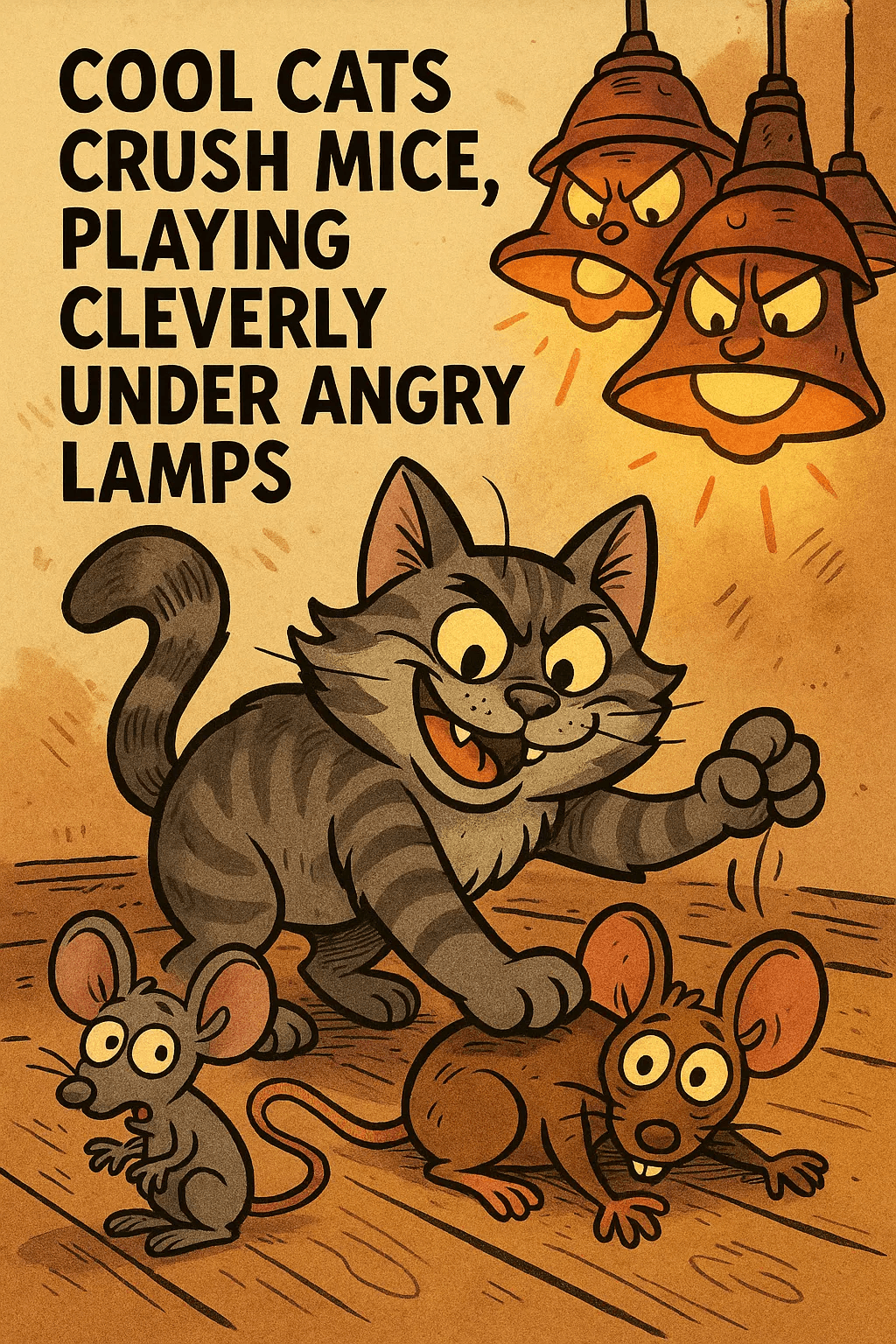
Cool Cats Crush Mice, Playing Cleverly Under Angry Lamps.
- Cool: CBC
- Cats: CK
- Crush: Cardiac enzymes
- Mice: CMP
- Playing: Pancreatic enzymes
- Cleverly: Coags
- Under: Urinalysis
- Angry: ABG
- Lamps: Lactate
6. Preventive care: P-MiST and PMC CREA4S
Think of preventive care as a two-minute drill.
Vaccines: P-MiST
- P: Pneumococcal
- M: Meningococcal
- I: Influenza
- S: Shingles
- T: Tdap
Screening and counseling: PMC CREA4S
- P: Pap smear
- M: Mammogram
- C: Colonoscopy
- C: Counseling on diagnosis, medications, and lifestyle
- R: Reassurance
- E: Exercise and diet
- A: Alcohol cessation
- S: Safe sex
- S: Seatbelt
- S: Smoking cessation
- S: Social work
These bundles help you deliver comprehensive preventive care quickly.
7. Final tips
Practice using CCSCases.com or another CCS simulation tool. Familiarity with the software is crucial.
Sequencing and timing matter. Delayed orders may score little or no credit, and unnecessary or harmful orders can penalize you.
Aim for safety and logic. Avoid over-intervention when watchful waiting is appropriate.
If you find yourself struggling with CCS cases, whether it is figuring out what the exam is really asking for or just getting comfortable with the flow, an audio review series can help. A good one walks through case after case in a practical, easy-to-digest way: how to approach each scenario, what to prioritize, and the common pitfalls to avoid.
Many test-takers find that listening to these reviews reinforces the frameworks and mnemonics while building confidence for the wide variety of patient presentations on the exam.
8. FAQs
How much of Step 3 is CCS?
Approximately 25% to 30% of your total Step 3 score, with each of the 13 cases worth around 2% to 2.5%.
What is the passing score for Step 3?
As of July 2025, the passing score is 198. Most examinees score between 220 and 230.
Are preventive orders weighted heavily?
They count, especially if you use them consistently, but timing and clinical context are key. Omitting them at the end may cost points.

Mendel Jacobs, MD, MPH
Menachem "Mendel" Jacobs, MD, MPH is an Internal Medicine Resident at Yale School of Medicine pursuing academic cardiology. He publishes under Menachem Jacobs.
Connect on LinkedInRelated Articles
Best Sketchy Pathology Anki Deck: Conaanaa's SALT Deck
How to use Conaanaa's SketchyPath SALT deck with Sketchy Pathology, Anki, UWorld, and pathology review without drowning in cards.
Sketchy Medical With Anki: The Best Pepper Deck Workflow for Sketchy Micro and Pharm
A practical guide to using Sketchy Medical with Anki, including what Sketchy means, how to use Sketchy Micro and Sketchy Pharm, and when to use the Pepper decks.
The SLARP Framework: A Practical Approach to Undifferentiated Acute Hypoxemia
A bedside framework for approaching acute hypoxemic respiratory failure when the diagnosis is not yet clear.